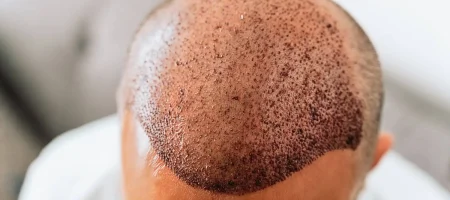
Hair Transplant with a Plastic Surgeon
Hair transplant with a plastic surgeon offers a highly effective and aesthetically refined solution to hair loss. In recent years, hair loss has become one of the most common aesthetic concerns among both men and women. Opting for a hair transplant with a plastic surgeon ensures not only medically sound procedures but also natural-looking and harmoniously designed hairlines. The presence of a plastic surgeon in the process guarantees that both the functional and cosmetic aspects of hair transplantation are meticulously handled.
A hair transplant with a plastic surgeon is especially recommended for those seeking long-lasting and visually pleasing outcomes. Since the procedure involves microsurgical techniques and detailed planning, having a plastic surgeon oversee the process significantly increases the likelihood of success. This approach integrates medical precision with aesthetic expertise, delivering exceptional and personalized results.
What Is a Hair Transplant with a Plastic Surgeon?
A hair transplant with a plastic surgeon refers to a hair restoration procedure that is either performed by or under the direct supervision of a board-certified plastic surgeon. It involves harvesting healthy hair follicles from donor areas (typically the back of the scalp) and transplanting them to areas with thinning or no hair. What sets this method apart is the attention to detail in terms of hairline design, follicle placement, and aesthetic integration with facial features—areas where plastic surgeons excel.
Why Choose a Plastic Surgeon for Hair Transplantation?
There are several compelling reasons to choose a plastic surgeon for your hair transplant:
Enhanced aesthetic outcomes: Plastic surgeons are trained in facial proportions and symmetry, ensuring natural-looking hairlines.
Higher procedural safety: Their surgical expertise minimizes risks such as scarring, infection, and poor graft survival.
Customized treatment planning: Each patient receives a personalized transplant plan based on facial structure, hair type, and degree of hair loss.
Comprehensive pre- and post-op care: Follow-up is done by a medical professional who understands both surgical healing and cosmetic satisfaction.
Techniques Used in Hair Transplant with a Plastic Surgeon
FUE (Follicular Unit Extraction)
The FUE technique involves extracting individual follicular units using micro punches and transplanting them into balding areas. When done under the guidance of a plastic surgeon, FUE ensures optimal graft placement angles, density, and direction, resulting in seamless and realistic hair restoration.
DHI (Direct Hair Implantation)
DHI uses a special implanter pen that allows direct placement of hair follicles without prior incisions. Plastic surgeons can fine-tune this technique to achieve high-density transplants and precise hairline sculpting, especially beneficial for frontal hair restoration.
FUT (Follicular Unit Transplantation)
FUT, also known as the strip method, involves removing a strip of scalp to harvest follicles. While it may leave a linear scar, plastic surgeons can minimize its visibility through strategic closure techniques and offer this method when high graft numbers are needed.
The Process of Hair Transplant with a Plastic Surgeon
Initial Consultation: The plastic surgeon evaluates hair loss patterns, scalp condition, and donor availability to create a custom plan.
Design Phase: Facial structure and age-appropriate aesthetics are used to design the ideal hairline.
Surgical Procedure: Performed under local anesthesia, follicles are extracted and transplanted with artistic precision.
Post-Operative Care: The surgeon provides follow-up guidance and care instructions to ensure proper healing and growth.
Who Should Consider a Hair Transplant with a Plastic Surgeon?
This approach is ideal for:
Individuals with advanced hair loss seeking natural aesthetics
Those with failed or unsatisfactory previous hair transplants
Patients with medical conditions requiring close monitoring
Women experiencing pattern hair loss
People concerned about scarring or visible marks
Does a Hair Transplant with a Plastic Surgeon Offer Better Results?
Yes. A hair transplant with a plastic surgeon is more likely to yield better, more natural-looking results. The surgeon’s artistic eye and surgical training provide an added layer of precision in both follicle harvesting and placement. Moreover, potential complications can be promptly managed thanks to their medical expertise.
What Role Does the Plastic Surgeon Play in Hairline Design?
Hairline design is a crucial part of achieving a successful hair transplant outcome. Plastic surgeons analyze facial symmetry, bone structure, and age-related changes to create a hairline that complements your appearance. The result is a soft, non-artificial look that grows naturally over time.
Is the Procedure Permanent?
Hair follicles used in transplantation are generally resistant to the hormones responsible for hair loss. This means that, once successfully transplanted, they are likely to grow permanently. However, natural hair (non-transplanted) may still thin over time, so proper medical care and long-term planning are essential. A plastic surgeon ensures that the approach is both comprehensive and sustainable.
Frequently Asked Questions
Is a hair transplant with a plastic surgeon more expensive?
Yes, it typically costs more due to the specialized expertise and advanced planning involved. However, the improved aesthetic results and reduced risk of complications make it a worthwhile investment. For hair transplant with a plastic surgeon pricing, contact us today.
Will I have scars after the procedure?
When performed by a skilled plastic surgeon, scarring is minimal, especially with FUE and DHI techniques. FUT may leave a linear scar, but advanced closure methods significantly reduce its visibility.
How long does the procedure take?
Most hair transplants take between 6 to 8 hours, depending on the number of grafts needed and the technique used.
Can the plastic surgeon perform the transplant directly?
Yes, in many clinics, the plastic surgeon personally handles crucial parts of the procedure, especially hairline design and graft placement, ensuring both safety and aesthetics.